

Seoul Subway Guide for First-Timers (2026)
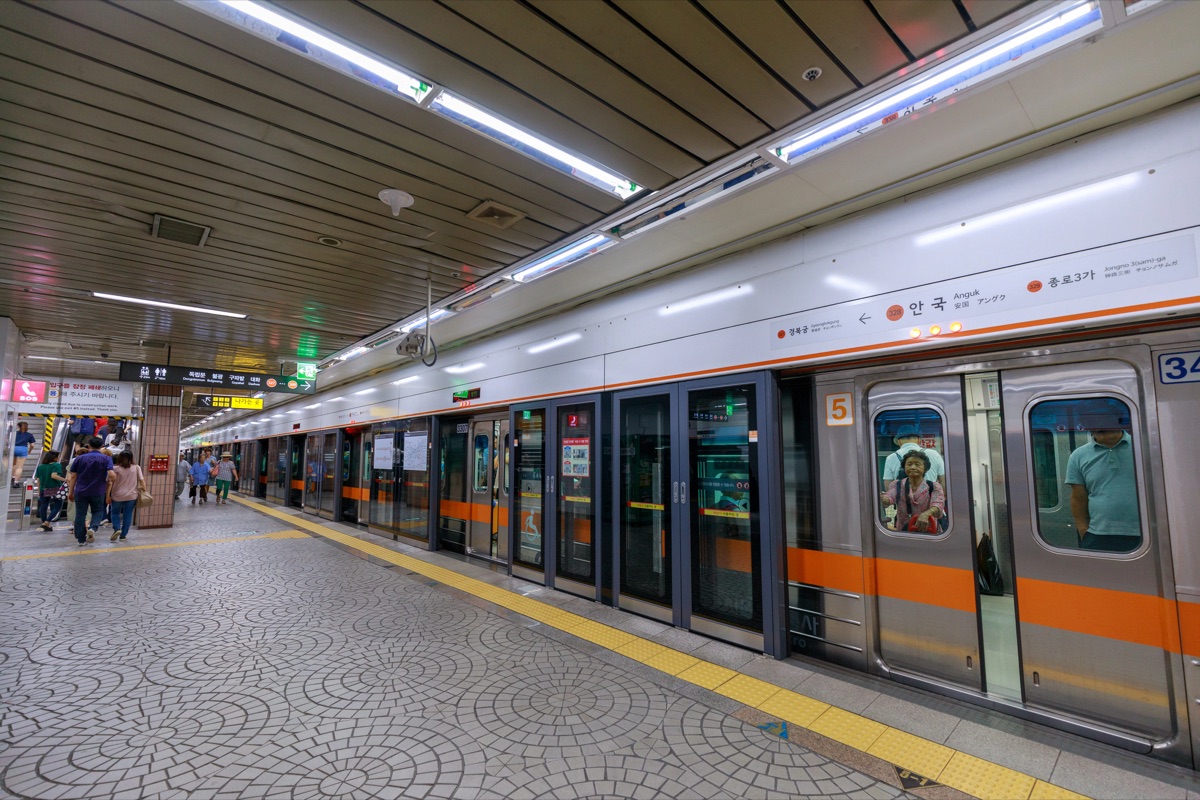
If you're planning your first trip to Seoul, the subway system might seem intimidating at first glance. With 23 lines, hundreds of stations, and signs in Korean, it's natural to feel a bit overwhelmed. But here's the good news: the Seoul Metro is actually one of the most tourist-friendly subway systems in the world. Once you understand the basics, you'll be zipping across the city like a local.
Why Use the Seoul Subway System?
The Seoul subway is the fastest, cheapest, and most reliable way to get around the city. Taxis can get stuck in Seoul's notorious traffic, and buses require more local knowledge. The Metro runs from approximately 5:30 AM to midnight, with trains arriving every 2-5 minutes during peak hours. A single ride costs around 1,400 KRW (about $1 USD), making it incredibly affordable for travelers.
My Tip: Download the Kakao Metro app before your trip. It shows real-time arrivals, calculates the fastest routes, and even tells you which subway car to board for the quickest exit.
How Modern is the Seoul Metro?
Coming from Germany, I noticed some differences compared to the Berlin U-Bahn and S-Bahn. The Seoul Metro has a few features that make daily commuting more convenient.
Platform screen doors are standard on most lines. These glass barriers open when the train arrives, which helps with climate control and safety. Not all stations have them yet, especially on older lines like Line 1, but newer lines have full coverage.
The trains are generally clean and well-maintained. Digital displays show the current station, upcoming stops, and transfer information in Korean and English. Some older trains feel their age, but the newer lines are comfortable.
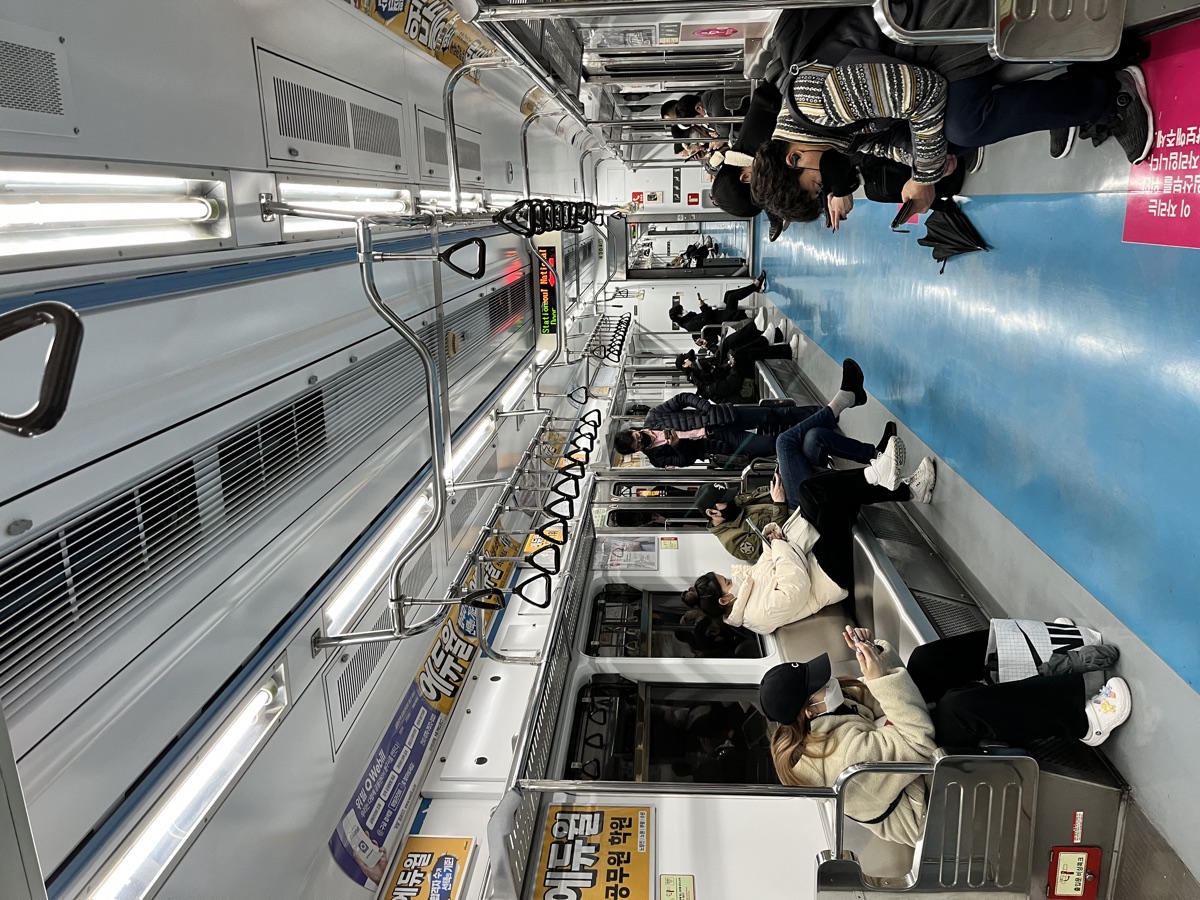
Features that stood out to me:
- USB charging ports on some newer trains (not all)
- Heated seats during winter
- TV screens in cars showing news and ads
- Mobile phone signal works in most tunnels
- Announcements in 4 languages - Korean, English, Chinese, and Japanese
Some larger stations like Gangnam, Myeongdong, and COEX have underground shopping areas connected to the subway. Convenient if you want to grab something without going outside, especially in bad weather.
My Tip: The Shinbundang Line between Gangnam and Pangyo is one of the newer lines and noticeably more modern than the older ones.
You can pay with Samsung Pay or Apple Pay at the gates, and apps like Kakao Metro show real-time arrivals. These features aren't unique to Seoul anymore, but they work reliably here.
How to Get a T-Money Card in Seoul
Before you do anything else, get yourself a T-Money card. This rechargeable transit card works on all subways, buses, and even some taxis in Seoul. You can buy one at any convenience store (CU, GS25, 7-Eleven) inside subway stations for about 4,000 KRW.
To use it, simply tap the card on the reader when entering and exiting the station. The correct fare is automatically deducted. You can recharge your card at machines inside every station or at convenience stores.
Pro tip: Keep at least 10,000 KRW on your card at all times. Running out of balance at a busy station during rush hour is not fun.
Seoul Subway Lines Explained
The Seoul Metro has color-coded lines, each with a number. The most useful lines for tourists are:
- Line 1 (Dark Blue) - Connects Seoul Station to historic areas
- Line 2 (Green) - The circular line hitting Hongdae, Gangnam, and Jamsil
- Line 3 (Orange) - Access to Gyeongbokgung Palace and Bukchon
- Line 4 (Light Blue) - Myeongdong shopping district
- Line 6 (Brown) - Itaewon neighborhood
The newer lines (9, Airport Railroad, Shinbundang) are extremely modern with platform screen doors and comfortable seating. For the official subway map and schedules, check Seoul Metro's website.
How to Navigate Seoul Metro Stations
Every Seoul subway station is designed with tourists in mind. Signs are displayed in Korean, English, and often Chinese and Japanese. Each station has a unique three-digit number (for example, Gangnam is 222), which makes it easy to navigate even if you can't read Korean.
Inside stations, follow the colored lines on the floor or walls to find your platform. Arrows indicate the direction of travel, and digital displays show the next train's destination and arrival time.
My Tip: Look for the yellow tactile strips on the platform floor. Stand behind them until the train arrives. Koreans queue politely, and you should too.
How to Transfer on the Seoul Subway
Transferring between lines in Seoul is straightforward but can involve some walking. Major transfer stations like Jongno 3-ga, Sindorim, or Express Bus Terminal connect multiple lines. Follow the signs for your connecting line number and color.
Some transfers are quick, while others can take 10-15 minutes of walking through underground passages. The Kakao Metro app accounts for transfer time in its route calculations, so trust it.
Pro tip: At large stations, look for the "Transfer" signs immediately after exiting your train. Don't follow the "Exit" signs unless you're leaving the station.
Seoul Subway Rush Hour Tips
Seoul's rush hour (7:30-9:00 AM and 6:00-8:00 PM) is intense. Trains are packed, and popular stations like Gangnam and City Hall become a sea of commuters. If possible, avoid traveling during these times.
If you must travel during rush hour:
- Let passengers exit before boarding
- Move to the center of the car
- Keep your backpack in front of you
- Have your T-Money card ready before reaching the gates
Useful Features for Travelers
The Seoul Metro has some practical features worth knowing about:
- Free WiFi on trains and in stations - connection quality varies
- Heated seats during winter months
- Priority seating for elderly, pregnant, and disabled passengers (don't sit here even if empty)
- Luggage racks near the doors on airport lines
- Restrooms at every station before the ticket gates
- Lockers at major stations for storing bags
- Convenience stores inside most stations
One thing I appreciated coming from Berlin: every station has free restrooms, and they're generally clean. Useful when you're out exploring all day.
Incheon Airport to Seoul by Subway
Getting from Incheon Airport to Seoul is easy with the Airport Railroad Express (AREX). The express train takes about 43 minutes to Seoul Station and costs 9,500 KRW. The all-stop train is cheaper at 4,150 KRW but takes about 20 minutes longer.
From Gimpo Airport, you can connect directly to Line 5 or Line 9, reaching central Seoul in about 30-40 minutes.
Common Mistakes to Avoid
After navigating Seoul's subway system extensively, here are mistakes I see tourists make:
- Not checking the exit number - Large stations can have 20+ exits. Check which exit you need before leaving the platform.
- Ignoring the last train - The last trains leave around midnight. Miss it, and you're taking a taxi.
- Standing on the left of escalators - Stand on the right, walk on the left.
- Eating or drinking - It's considered rude and technically not allowed.
- Talking loudly - Koreans keep subway conversations quiet. Follow their lead.
My Final Thoughts
The Seoul Metro made getting around the city easy. Once I got the hang of the T-Money card and Kakao Metro app, I didn't need taxis or buses. The system is reliable and runs on schedule.
Coming from Berlin, I found a few things more convenient here - the restrooms, the English signage, and the app integration. But every subway has its quirks, and Seoul is no exception. Rush hour is brutal, some transfers take forever, and the older lines show their age.
Don't let the size of the network intimidate you. Start with a few key lines, get familiar with the transfer process, and you'll find your way around within a day or two.
Have questions about the Seoul subway? Drop them in the comments below, and I'll help you out!
Related: Check out my guide to Things to Do in Gangnam, Essential Apps for South Korea, and Interesting Facts About South Korea to make the most of your Seoul adventure. Planning to visit Busan next? Check out my 10 Instagrammable Places in Busan guide.
Post Last Updated