

Ultimate Europe Packing Guide: Complete Packing List for 1-2 Week Trips (2025)
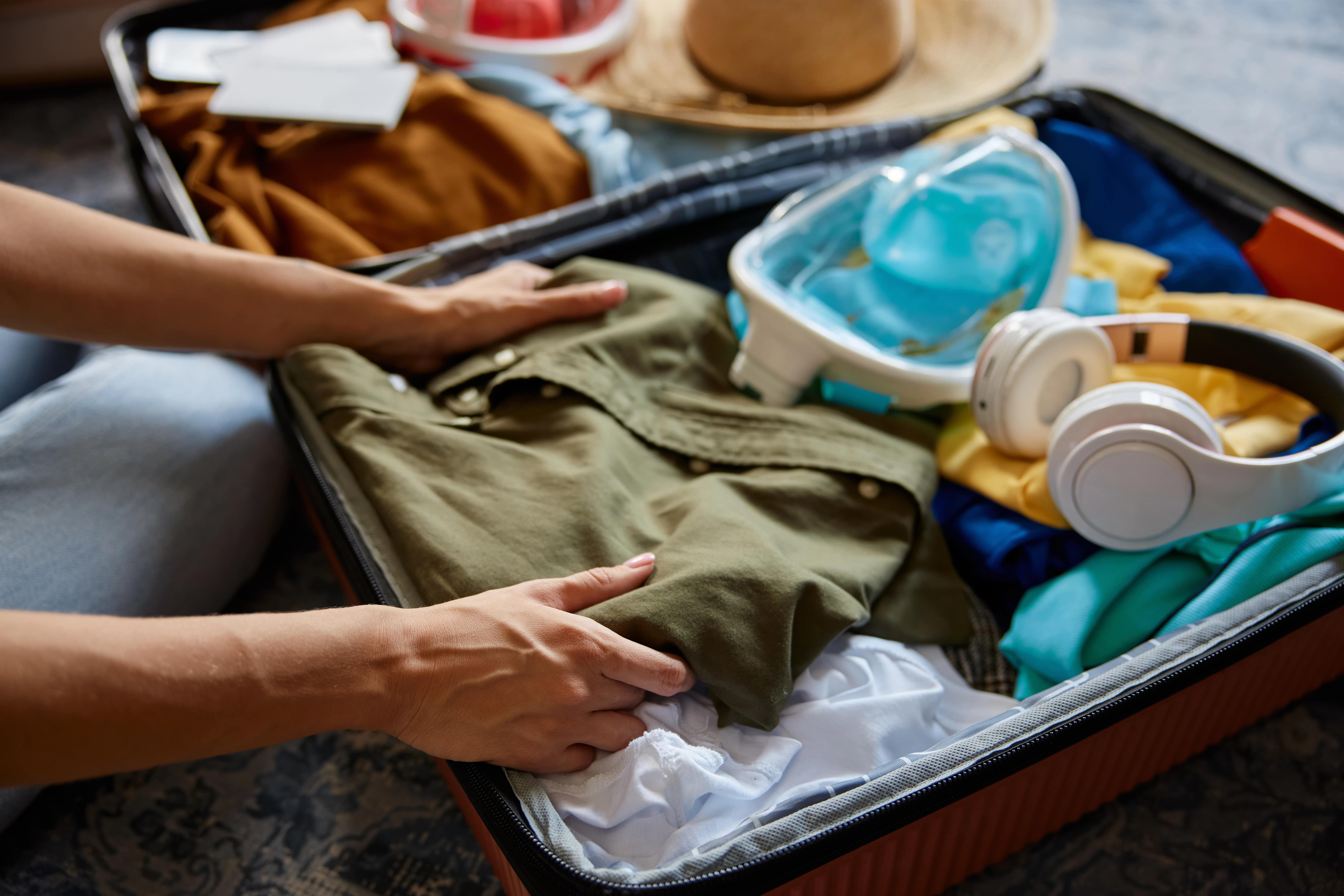
There's always this mix of excitement and stress right before a big trip to Europe. I still remember my first time flying over — I was buzzing with the thought of seeing Paris, London, and Rome all in one go, but I was also staring at my suitcase wondering, "How do I fit my life in here without overpacking?"
That was back in 2018, and I made every rookie mistake in the book. I brought three pairs of jeans (who needs that many?), packed a hairdryer (every hotel has one), and somehow thought I'd wear heels in Paris (spoiler: I didn't). My suitcase was so heavy I had to pay €50 extra at the airport, and I spent half my trip lugging it up narrow staircases in old Paris apartments.
If you're anything like me, packing feels like a puzzle: different countries, unpredictable weather, airlines with sneaky baggage rules, and the fact that you'll probably be walking more in one day than you normally do in a week back home. Over the years, I've learned that the key isn't to bring more — it's to bring the right things.
So in this guide, I'll walk you through how I personally pack for Europe, breaking it down into four big topics:
- Clothes for 1 Week vs. 2 Weeks (and how seasons change everything)
- The Accessories You Can't Travel Without (plugs, sleep gear, money hacks)
- Smart Packing Tips That Saved Me Abroad (what I wish I knew before my first trip)
- Final Thoughts: Travel Light, Travel Free
This isn't about packing like a minimalist monk or cramming five pairs of shoes into your bag. It's about balance: being prepared for a summer night in Rome, a rainy afternoon in Amsterdam, or a snowy morning at a German Christmas market — without breaking your back hauling luggage up European staircases.
1. Clothes: What I Actually Pack
When I first traveled to Europe, I thought I needed a different outfit for every single day. Big mistake. After dragging a heavy suitcase across cobblestone streets in Florence and up four flights of stairs in a Paris walk-up, I learned fast: less is more.
The truth is, you'll probably re-wear your favorites anyway, and in Europe, nobody cares if you wore the same shirt in London and Berlin. What matters is comfort, versatility, and layering — because the weather changes quickly from country to country.
Here's how I pack differently for 1 week and 2 weeks, depending on the season.
🧳 1 Week in Europe
Summer (France, Italy, Netherlands):
- 4 lightweight tops (breathable cotton or linen)
- 2 bottoms (1 pair of shorts + 1 pair of pants or skirt)
- 1 dress or collared shirt (for evenings out)
- 1 light sweater or cardigan (Amsterdam evenings can be chilly)
- 1 rain jacket (trust me, Paris showers sneak up on you)
- Shoes: 1 comfy walking pair + 1 sandals/nicer shoes
- Undergarments: 7 days' worth
Winter (UK, Germany, Netherlands):
- 2 sweaters + 2 long-sleeve shirts
- 2 bottoms (jeans + warm trousers)
- 1 heavier coat (waterproof if possible)
- 1 scarf, gloves, and beanie (you'll thank yourself in Berlin winds)
- Shoes: 1 pair of waterproof boots + 1 nicer evening pair
- Undergarments: 7 days' worth (pack thermal socks!)
👉 My rule for 1 week: pack for variety but not excess. You can easily get away with one pair of jeans and swapping tops.
🧳 2 Weeks in Europe
Summer (France, Italy, Germany):
- 6–7 tops (mix of t-shirts, blouses, and a nicer shirt)
- 3 bottoms (jeans, lightweight pants/skirt, shorts)
- 2 dresses or smart outfits (for nicer dinners in Paris or Rome)
- 1 light sweater + 1 lightweight jacket
- 1 rain jacket or trench coat
- 1 swimsuit (Mediterranean beaches or German spas)
- Shoes: 1 pair walking sneakers, 1 pair sandals/nicer shoes, optional flip-flops for beach/hostel
- Undergarments: 10–12 days' worth (laundry halfway through)
Winter (UK, Germany, France, Netherlands):
- 4 sweaters, 3 long-sleeve shirts, 2 thermal base layers
- 3 bottoms (jeans, warm trousers, optional leggings for layering)
- 1 heavy coat + 1 packable down jacket (layer them if it's freezing)
- 2 scarves, 1 pair gloves, 1 beanie
- Shoes: waterproof boots + 1 nicer pair for evenings
- Undergarments: 10–12 pairs + warm socks
👉 My rule for 2 weeks: pack for laundry halfway through. In Rome, I once did laundry in my Airbnb sink with travel detergent and hung clothes by the window — it worked, and it saved me from overpacking.
✨ The key takeaway: pack layers and stick to a neutral color palette (black, navy, beige, gray). This way, everything matches and you won't waste time deciding what to wear when you could be out exploring.
2. The Accessories You Can't Travel Without
Here's the thing: clothes are important, but it's the small accessories that make or break your trip. I learned this the hard way when I landed in London without the right plug adapter — watching my phone battery drop to 2% while trying to navigate the Tube is not a memory I'd like to relive.
Since then, I've built a list of "never-leave-home-without" items that make life in Europe so much easier, whether I'm in Paris in July or Berlin in December.
🔌 Power & Electronics
Universal Adapter: Europe doesn't play nice with U.S. plugs. France, Germany, and Italy use Type C/E/F, while the UK has Type G. I always bring a universal adapter with multiple USB ports so I can charge my phone and power bank at the same time.
I learned this the hard way in a tiny Airbnb in Montmartre, Paris. The owner had left a single adapter, but it was the wrong type for my phone. I spent an hour walking around the neighborhood trying to find an electronics shop, only to discover they were all closed on Sundays. My phone died just as I was trying to navigate back to my apartment in the rain.
Portable Power Bank: Between photos, maps, and translation apps, my phone is my lifeline. A dead battery in Amsterdam when you're trying to find your hotel on the canals = stress.
Trust me, you don't want to be that person frantically asking strangers for directions while your phone shows 2% battery. Been there, done that, got the t-shirt (and the stress).
Extra Charging Cable: I keep one in my day bag. Learned that trick after leaving mine in an Airbnb in Munich.
😴 Sleep & Comfort
Neck Pillow: Essential for overnight flights from the U.S. and even long European train rides.
Eye Mask: European apartments and hotels often don't have blackout curtains. My first night in Amsterdam, the streetlights kept me awake — never again without a mask.
Earplugs or Noise-Canceling Headphones: Paris might be the city of love, but it's also the city of sirens. Earplugs saved my sleep more than once.
Scarf or Travel Blanket: A lightweight scarf has doubled as a pillow on trains, a blanket on cold planes, and even a shoulder cover for visiting cathedrals in Italy.
💰 Money & Security
Crossbody Bag or Anti-Theft Backpack: Pickpockets are real in crowded places like Rome's Colosseum or Paris's metro. I once felt a hand slide into my backpack on the Champs-Élysées — thankfully it was zipped tight.
I swear by my Pacsafe crossbody bag. It's not the most stylish thing I own, but it's got RFID protection, slash-proof straps, and a hidden pocket that's perfect for stashing emergency cash. Plus, it's comfortable enough to wear all day while exploring.
Credit Card with No Foreign Transaction Fees: My go-to way to pay in Europe (cash is still handy, especially in Germany).
Small Stash of Cash: I keep €50–€100 hidden separately, just in case.
Apple Pay: In most European countries, including Germany, France, and the Netherlands, Apple Pay is widely accepted at stores, restaurants, and public transit stations. Many smaller shops and cafes also take contactless payments, making it a convenient way to pay without carrying cash. Just make sure your cards are properly set up in your Apple Wallet before traveling.
🧴 Health & Toiletries
Hand Sanitizer & Wipes: Useful on trains, in markets, or when street food is too tempting.
Lip Balm & Moisturizer: Winters in Berlin are brutal on skin, and summers in Italy are just as drying.
I learned this lesson in December 2019 when I spent a week in Berlin. The wind off the Spree River was so cold it literally cracked my lips. I had to duck into a pharmacy on Unter den Linden to buy emergency lip balm. Now I always pack my trusty Burt's Bees and a good face moisturizer, no matter the season.
Mini First Aid Kit: Just the basics — band-aids, ibuprofen, motion sickness tablets. Once needed all three on the same day in Venice!
👉 These might not be the most glamorous things to pack, but they're the difference between a smooth trip and a frustrating one. Clothes make you feel confident, but these accessories make you comfortable — and that's what keeps you exploring all day without crashing.
3. Smart Packing Tips That Saved Me Abroad
Packing for Europe isn't just about what you bring — it's also about how you bring it. I've made every mistake: overstuffed suitcases, wrinkled clothes, shoes that ruined my feet, and even having to pay extra baggage fees on a budget airline because my bag was 1 inch too big. Over the years, I've picked up some simple tricks that changed the way I travel.
🎒 1. Carry-On vs. Checked Bag
If you're hopping between countries, a carry-on and backpack combo is king. Many European budget airlines (like Ryanair or EasyJet) are notorious for strict bag limits. One time in Milan, I watched a line of travelers paying €60 each at the gate for oversized bags. I smiled walking past with my carry-on.
👉 My rule: If the trip is 1 week, I always go carry-on only. For 2 weeks, I still try, but I allow myself one checked bag if I know I'll be bringing souvenirs home.
👕 2. Rolling vs. Folding
I used to fold everything neatly. Then I discovered rolling. Rolled clothes not only save space but also keep things wrinkle-free. My T-shirts stay smoother, and I can see everything at a glance. For bulkier items like jeans and sweaters, I fold them and place them at the bottom.
👉 Pro tip: Packing cubes make rolling/folding even easier. They also keep dirty laundry separate (a lifesaver when you're sharing space with travel companions).
🧦 3. The Shoe Rule
Shoes are the heaviest, bulkiest items you'll pack. I stick to two pairs max:
- 1 comfy pair for walking (my everyday shoes)
- 1 versatile pair (sandals in summer, boots in winter, or nicer shoes for dinners)
On one trip to Paris, I brought three extra pairs "just in case." Guess what? I wore the same sneakers every day. Lesson learned.
🧺 4. Laundry Hacks
For longer trips, laundry is your friend. In Rome, I once did laundry in my Airbnb sink using detergent sheets and a travel clothesline — clothes dried overnight, and I didn't have to overpack.
👉 Tip: Many European cities have self-service laundromats, and hotels often offer laundry service. Pack for 7–10 days, even on a 2-week trip, and plan to wash once.
✈️ 5. The Flight Survival Kit
For the long-haul flight from the U.S., I keep a small pouch handy:
- toothbrush + travel toothpaste
- moisturizer + lip balm
- compression socks
- earplugs + eye mask
- a fresh T-shirt (nothing feels better after 8+ hours on a plane)
It's like hitting reset when you land in Europe and start exploring right away.
👉 Bottom line: The smartest packing isn't about cramming more stuff — it's about packing in a way that makes your trip easier, lighter, and stress-free.
4. Final Thoughts: Travel Light, Travel Free
At the end of the day, packing for Europe isn't about having the perfect wardrobe or the fanciest gear — it's about freedom. I've carried heavy suitcases up too many staircases in old Paris apartments, dragged wheels over cobblestones in Rome, and waited at baggage carousels when I could have already been sipping espresso. Every time I pack lighter, I enjoy my trip more.
The truth is, Europe will surprise you — rain in Amsterdam when the forecast said sun, a heatwave in Italy in September, or an unexpected invitation to a nice dinner in Paris. If you've packed smart and kept things versatile, you'll be ready for all of it.
The memories you'll take home won't be about the extra pair of shoes you didn't wear — they'll be about the laughter at a Berlin beer garden, the sunrise over the Eiffel Tower, or the quiet moment walking along Amsterdam's canals.
So here's my advice: pack light, pack smart, and let Europe fill in the rest.
What's your biggest packing challenge when traveling to Europe? I'd love to hear about your experiences and tips!
Post Last Updated