What to Pack for an International Flight with a Baby (6-12 Months): Complete Guide
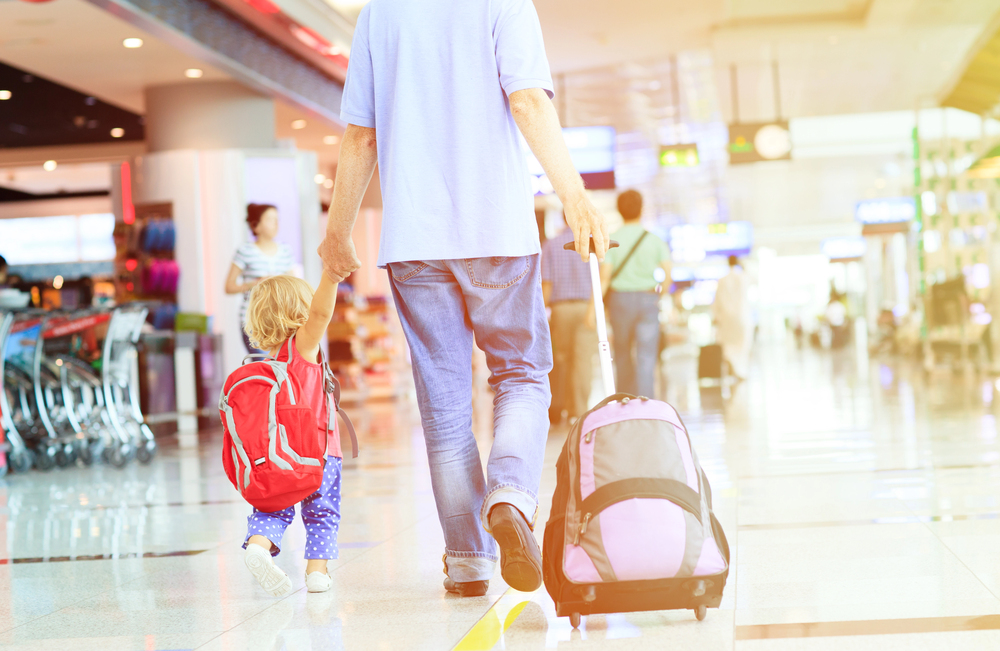
When we decided to travel from Germany to the Philippines with our 8-month-old daughter, I'll be honest—I was terrified. The thought of a 12-hour flight with a baby who couldn't tell us what she needed felt overwhelming. What if she cried the entire time? What if we forgot something essential? What if the airline lost our luggage with all her diapers and formula?
But here's what I learned: traveling internationally with a baby isn't impossible—it just requires careful planning and the right items. A family packing list app with age-aware suggestions can take a lot of the guesswork out of the process. That trip to the Philippines taught us so much about what actually matters when packing for an international flight with a baby, and what we could have left behind.
If you're facing a similar journey with your little one (especially if they're between 6-12 months old), this guide will walk you through everything we learned. I'll share what worked, what didn't, and the items that became absolute lifesavers during our flight and stay in the Philippines.
This isn't about packing everything "just in case"—it's about packing smart, staying organized, and keeping your baby comfortable while maintaining your own sanity. Whether you're heading to a tropical destination like we did, or somewhere with different weather, the core principles remain the same.
1. Essential Items for the Flight
The flight itself is where you'll need the most preparation. Unlike a road trip where you can pull over, you're essentially trapped in a metal tube for hours with limited resources. Here's what we learned from our Germany to Philippines journey.
🎒 Carry-On Essentials
Diapers and Wipes: This might seem obvious, but calculating the right amount is crucial. For our 12-hour flight plus layover time, we packed:
- 12-15 diapers (one for every 2-3 hours, plus extras for delays)
- 2-3 packs of wipes (you'll use more than you think)
- Disposable changing pads (airplane bathrooms are tight spaces)
Pro tip: Pack diapers in a separate, easily accessible bag. When you're trying to change a baby in a cramped airplane bathroom, you don't want to dig through your entire carry-on.
Formula/Breastfeeding Supplies: If you're formula feeding, pack more than you think you'll need. We brought:
- Pre-measured formula in travel containers
- 4-5 clean bottles (more than you'd use at home, but essential if you can't wash them)
- Bottled water for mixing (check airline policies—some allow extra water for babies)
- Portable Bottle Warmer
- If breastfeeding, a nursing cover and extra nursing pads
Extra Baby Clothes: Pack at least 2-3 complete outfit changes in your carry-on. Our daughter had a major blowout mid-flight, and we were so grateful we had backups. Include:
- Onesies or comfortable outfits
- Socks and booties (airplanes get cold)
- A light jacket or sweater (even for tropical destinations, planes are air-conditioned)
- An extra outfit for yourself (babies are messy, and you might get covered too)
Blankets and Comfort Items:
- 2-3 lightweight blankets (one for warmth, one for covering during feeding, one as backup)
- Your baby's favorite comfort item (pacifier, lovey, or small toy)
- A muslin swaddle blanket (versatile for covering, swaddling, or as a burp cloth)
Pacifiers and Teething Toys:
- Multiple pacifiers (they will fall on the floor)
- Teething toys that can be easily cleaned
- Personal experience: Spinning wheel toys were absolute lifesavers during our Germany to Philippines flight. They kept our 8-month-old engaged and distracted during long stretches when she was getting restless. The repetitive motion and bright colors captured her attention better than most other toys we brought.
Baby Carrier vs. Stroller: We brought both, and here's why:
- Baby carrier: Essential for navigating airports, going through security, and keeping hands free
- Stroller: We gate-checked it, which was perfect for layovers and exploring the destination
✈️ In-Flight Comfort
Bassinet Requests: Many international airlines offer bassinets for babies. Call ahead to reserve one—they're usually available on a first-come, first-served basis. The bassinet attaches to the bulkhead wall and gives your baby a safe place to sleep. However, babies can only use them during level flight (not during takeoff, landing, or turbulence).
Feeding During Takeoff/Landing: The pressure changes can be painful for babies' ears. Feeding (breast or bottle) or offering a pacifier during takeoff and landing helps them swallow and equalize ear pressure. This was one of the most important tips we received, and it worked perfectly—our daughter slept through most of the flight.
Sleep Strategies:
- Bring familiar sleep items from home (sleep sack, favorite blanket)
- Consider a portable white noise machine or use a white noise app on your phone
- Try to maintain some semblance of your baby's normal sleep routine
- If your baby sleeps better in the carrier, use it—comfort is key
Entertainment:
- Age-appropriate toys (but not too many—you'll lose them)
- Board books (lightweight and durable)
- A tablet with baby-friendly apps or videos (we used this sparingly but it was helpful during the final hours)
- Remember: The spinning wheel toys we mentioned earlier were our secret weapon. Simple, engaging, and easy to clean.
🏥 Health and Safety
Medications and First Aid:
- Baby pain reliever (acetaminophen or ibuprofen, age-appropriate)
- Saline drops for stuffy noses
- Baby-safe thermometer
- Any prescription medications your baby takes
- Basic first aid supplies (band-aids, antiseptic wipes)
Hand Sanitizer and Cleaning Supplies:
- Baby-safe hand sanitizer
- Disinfecting wipes for tray tables and armrests
- Extra hand wipes (you'll use them constantly)
Documentation:
- Baby's passport (required for international travel)
- Birth certificate (some countries require it)
- Medical records or vaccination cards (especially important for international travel)
- Travel insurance documents
- Copies of all documents (digital and physical)
2. Destination Essentials
Once you arrive, you'll need different items than what you used on the flight. Here's what to pack for your actual destination.
🍼 Feeding Supplies
Formula/Baby Food:
- Research what's available at your destination. In the Philippines, we found that some formula brands were available, but not the specific one we used at home. We brought enough for the first few days, then gradually transitioned.
- Pack more than you think you'll need for the first 48 hours (in case of delays or difficulty finding supplies)
- Pre-packaged baby food pouches (great for travel, no refrigeration needed)
- If your baby is eating solids, consider bringing familiar foods from home
Bottles and Sterilizing Equipment:
- Travel bottle sterilizer or sterilizing tablets
- Bottle brush for cleaning
- Extra bottles (more than you'd use at home)
- If you're staying somewhere with a kitchen, you might be able to boil water for sterilization
- Most hotels also have a kettle to boil water
High Chair Alternatives:
- Portable high chair that attaches to tables
- Or plan to hold your baby during meals (what we often did)
😴 Sleep Arrangements
Portable Crib or Co-Sleeping Options:
- Many hotels offer cribs, but call ahead to confirm
- Portable travel crib (if you prefer your own)
- Co-sleeping arrangements (if that's your preference)
- Check Airbnb listings for family-friendly accommodations
Sleep Sacks and Bedding:
- Familiar sleep sacks from home (helps with routine)
- Lightweight bedding appropriate for destination climate
- Consider bringing your baby's usual sleep environment items
White Noise Machine:
- Portable white noise machine or app
- Helps mask unfamiliar sounds in new environments
👕 Clothing
Weather-Appropriate Outfits:
- Research your destination's climate
- For tropical destinations like the Philippines: lightweight, breathable fabrics, sun protection
- For cooler climates: layers, warm sleepwear
- Pack more than you think you'll need (babies go through clothes quickly)
Extra Layers:
- Even in warm destinations, air-conditioned buildings can be cold
- Lightweight cardigans or jackets
- Hats for sun protection or warmth
Laundry Considerations:
- Plan to do laundry if you're staying more than a few days
- Pack travel-sized laundry detergent
- Or use hotel/Airbnb laundry services
🚗 Baby Gear
Stroller:
- Personal experience: Our lightweight stroller buggy was absolutely essential for our Germany to Philippines trip. It was easy to gate-check at the airport, compact enough to navigate through crowded terminals, and perfect for exploring destinations once we arrived. We could fold it quickly, it didn't take up much space, and it was sturdy enough for various terrains we encountered in the Philippines. I can't imagine doing that trip without it.
Car Seat:
- Research car seat requirements at your destination
- Some countries require car seats, others don't
- Consider renting vs. bringing your own (depends on length of stay and destination)
- For taxis and ride-shares, check local regulations
Baby Carrier:
- Essential for hands-free exploration
- Great for crowded places where strollers are difficult
- Allows your baby to nap while you're out and about
3. Smart Packing Strategies
How you pack is almost as important as what you pack. Here's how to stay organized and avoid the stress of digging through bags. A packing checklist app with dedicated baby travel templates can help you cover every category without forgetting a thing.
📦 What to Check vs. Carry-On
Always Carry-On:
- Enough diapers and wipes for the flight plus 24 hours
- Formula/baby food for flight plus 24 hours
- 2-3 complete outfit changes
- Essential medications
- Important documents
- Favorite comfort items
Safe to Check:
- Extra diapers and wipes (beyond the 24-hour supply)
- Extra formula/baby food
- Additional clothing
- Baby gear like portable cribs (if you're bringing one)
- Toys and entertainment items (beyond essentials)
Pro tip: Pack a "flight emergency kit" in your carry-on with everything you'd need if your checked luggage was delayed for 24-48 hours.
🎒 Packing Organization
Packing Cubes:
- Separate cubes for different categories (diapers, clothes, feeding supplies)
- Makes it easy to find what you need quickly
- Keeps dirty items separate from clean ones
Separate Bags:
- Dedicated diaper bag for easy access
- Separate bag for feeding supplies
- Keep important documents in a waterproof pouch
Ziploc Bags:
- Great for organizing small items
- Can be used for dirty clothes or wet items
- Helpful for keeping things dry
✈️ Airline Baggage Allowances
Check Your Airline's Policy:
- Most airlines allow a free checked bag for babies
- Many allow a stroller and car seat to be checked for free
- Some airlines allow extra carry-on items for babies
- Call ahead to confirm policies—they vary by airline
Gate-Checking:
- Strollers can usually be gate-checked (check at the gate, pick up at the gate)
- This is convenient—you can use the stroller through the airport
- Car seats can also often be gate-checked
💼 Managing Multiple Bags
Tips for Handling Everything:
- Use a backpack-style diaper bag (keeps hands free)
- Consider a rolling carry-on if you have a lot of items
- Pack lighter items in bags you'll carry, heavier items in checked luggage
- Don't overpack—you can buy many items at your destination
4. Age-Specific Considerations (6-12 Months)
Babies in this age range have specific needs that differ from newborns or toddlers. Here's what to consider.
🚶 Mobility Concerns
Crawling and Early Walking:
- Your baby might be crawling or starting to walk
- Plan for safe spaces to let them move around (airport play areas, hotel rooms)
- Bring items to baby-proof your accommodation (outlet covers, corner guards if needed)
- Consider a portable play mat or blanket for clean surfaces
Safety in New Environments:
- Be extra vigilant in unfamiliar places
- Hotels and Airbnbs may not be baby-proofed
- Bring your own safety items if needed
🍎 Solid Food Introduction
If Your Baby is Eating Solids:
- Pack familiar foods from home
- Research what baby foods are available at your destination
- Consider bringing a portable high chair
- Be prepared for messes (extra bibs, wipes, clothes)
Feeding Schedule:
- Try to maintain some consistency with feeding times
- But be flexible—travel disrupts routines
- Don't stress if meals aren't perfectly timed
😴 Sleep Schedule Adjustments
Time Zone Changes:
- International travel often means time zone changes
- Be patient—it takes time to adjust
- Try to gradually shift sleep schedules before travel if possible
- Use familiar sleep routines to help with adjustment
Sleep Environment:
- Bring familiar sleep items
- Try to recreate your baby's usual sleep environment as much as possible
- White noise can help mask unfamiliar sounds
🦷 Teething Considerations
If Your Baby is Teething:
- Pack extra teething toys
- Bring pain relief medication (age-appropriate)
- Cold teething rings (can be kept cool in hotel mini-fridges)
- Be prepared for extra fussiness
💉 Vaccination and Health Requirements
Before You Travel:
- Check vaccination requirements for your destination
- Consult with your pediatrician about travel-specific vaccines
- Bring vaccination records
- Research healthcare options at your destination
- Consider travel insurance that covers medical emergencies
5. Final Checklist and Pro Tips
Here's a quick reference checklist and some final tips from our experience.
✅ Quick Reference Checklist
Documents:
- [ ] Baby's passport
- [ ] Birth certificate (if required)
- [ ] Medical records/vaccination cards
- [ ] Travel insurance documents
- [ ] Copies of all documents
Flight Carry-On:
- [ ] Diapers (12-15 for long flights)
- [ ] Wipes (2-3 packs)
- [ ] Formula/baby food (extra supply)
- [ ] Bottles (4-5 clean ones)
- [ ] 2-3 complete outfit changes
- [ ] Blankets (2-3)
- [ ] Pacifiers and teething toys
- [ ] Spinning wheel toys or other engaging toys
- [ ] Medications and first aid
- [ ] Hand sanitizer and wipes
- [ ] Comfort items
Destination Items:
- [ ] Weather-appropriate clothing
- [ ] Lightweight stroller
- [ ] Baby carrier
- [ ] Sleep arrangements (portable crib or confirm hotel has one)
- [ ] Feeding supplies
- [ ] Extra diapers and wipes
💡 Common Mistakes to Avoid
Overpacking:
- You don't need everything from home
- Many items can be purchased at your destination
- Focus on essentials and comfort items
Underpacking Essentials:
- Don't skimp on diapers, wipes, or formula for the flight
- Always pack extra in case of delays
- Bring more clothes than you think you'll need
Not Researching Your Destination:
- Check what baby supplies are available
- Research healthcare options
- Understand local customs and regulations
Ignoring Airline Policies:
- Check baggage allowances
- Confirm stroller/car seat policies
- Reserve bassinets in advance if available
🛒 When to Buy vs. Pack
Pack from Home:
- Favorite comfort items
- Specific formula brands (if your baby is particular)
- Medications
- Important documents
- Items that are expensive or hard to find at destination
Buy at Destination:
- Extra diapers and wipes (if available)
- Some baby foods (if suitable brands are available)
- Disposable items
- Items that are bulky or heavy
📞 Emergency Contacts and Resources
Before You Leave:
- Save important numbers in your phone
- Research pediatrician or medical facilities at your destination
- Know the location of your country's embassy or consulate
- Have travel insurance information easily accessible
- Share your itinerary with family or friends
During Your Trip:
- Keep emergency numbers handy
- Know how to access medical care if needed
- Have a plan for if things go wrong
Traveling internationally with a baby is challenging, but it's also incredibly rewarding. Our trip to the Philippines with our 8-month-old daughter taught us that with the right preparation, it's absolutely doable. The key is planning ahead, packing smart, and staying flexible when things don't go exactly as planned.
Remember: you know your baby best. Trust your instincts, pack what makes sense for your family, and don't stress about having everything perfect. The most important thing is keeping your baby safe, comfortable, and happy—everything else is just details.
Have you traveled internationally with a baby? What items were your lifesavers? I'd love to hear about your experiences and any tips you've learned along the way!
Post Last Updated